

Understanding the Investment in Gum Health
At Eggleston Dental Care in Turlock, CA, led by Dr. Jim Eggleston, we understand that addressing gum recession is crucial for protecting your oral health and preventing tooth loss. For patients experiencing gum recession, the question of cost of gum grafting is always important. Our goal is to provide clear information regarding the gum grafting costs and to help you maximize your dental insurance coverage.
Gum grafting is a necessary periodontal treatment designed to cover exposed tooth roots and restore the gum line, which is often compromised by gum disease (periodontal disease). This procedure involves stabilizing and rebuilding gum tissue to prevent further damage and reduce tooth sensitivity. While this may be considered one of the major dental surgeries, the long-term benefits of preserving your natural teeth make it a sound investment.
If you are concerned about receding gums or have been diagnosed with severe gum recession, contact our dental office in Turlock by calling 209-226-4963 today. We will prepare a personalized treatment plan.
Factors Influencing Gum Grafting Costs
The gum grafting costs are not a fixed price and the total cost is influenced by several factors. Understanding these factors is key to navigating the financial commitment of this important dental surgery.
 1. Type of Gum Grafts
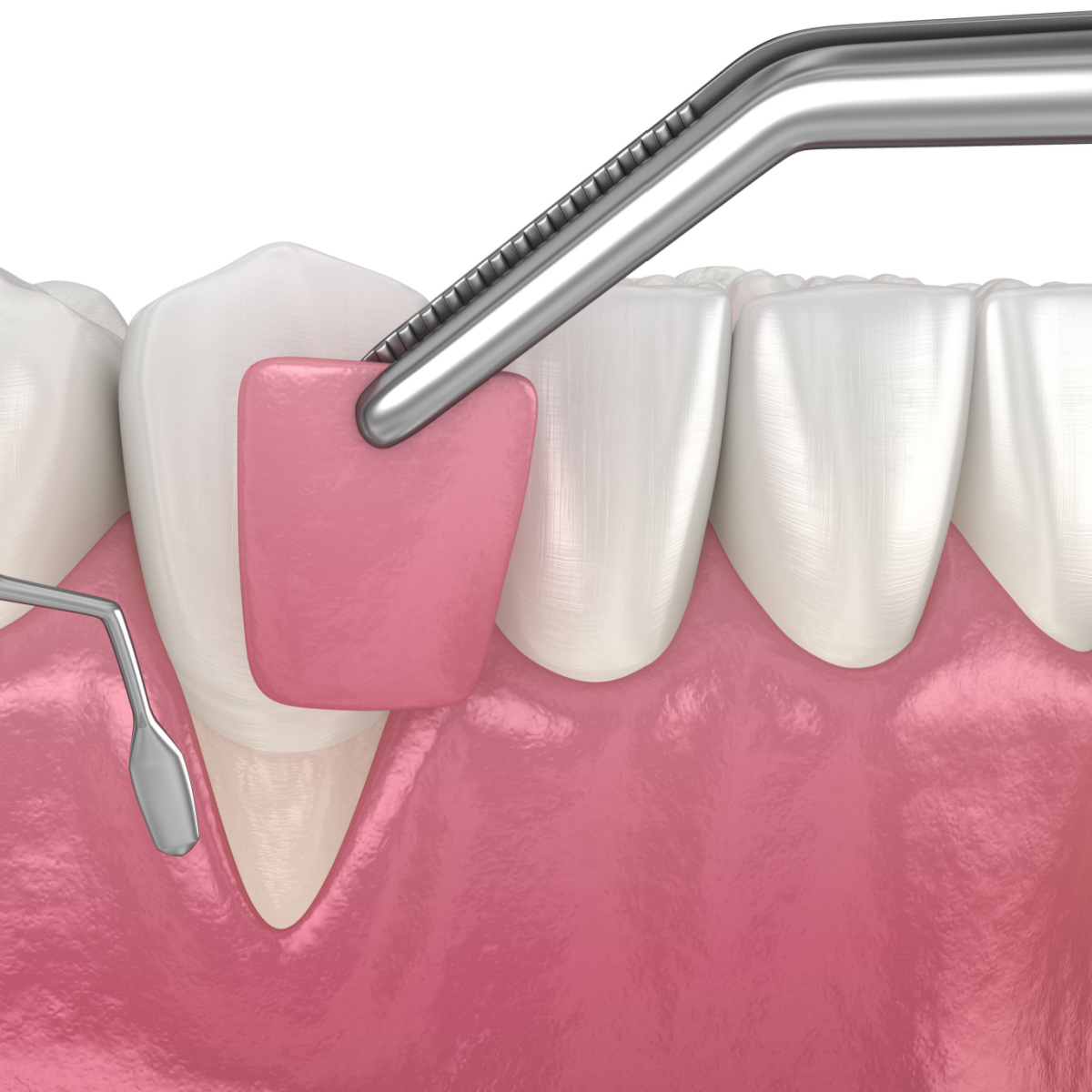
The specific technique used is the main factor determining the price and procedure guide. There are three primary types of gum grafts:
- Connective Tissue Graft: This is the most common and involves periodontist extracts tissue from beneath the top layer of the patient’s palate (donor tissue) and places it over the exposed tooth roots.
- Free Gingival Graft: This involves taking a small amount of the patient’s own tissue directly from the roof of the mouth and using it to thicken thin gums or cover the exposed roots.
- Pedicle Graft: This involves rotating gum tissue from the nearby gums to cover the recession site. This is often the least expensive but requires sufficient healthy tissue adjacent to the area being treated.
2. Extent of the Procedure
The final overall cost depends on the number of teeth involved and the complexity of the recession. Treating multiple teeth in one session increases the total cost but is often more cost effective than scheduling separate gum graft procedure sessions.
3. Need for Additional Procedures
If the gum recession is severe and accompanied by bone loss or advanced gum disease, additional procedures may be required before gum grafting can occur. This includes periodontal treatment like scaling and root planing.
4. Anesthesia Required
Most gum graft surgery is performed using local anesthetic applied directly to the site. However, for patients with severe anxiety or when treating the entire mouth, sedation or general anesthesia may be requested, which significantly increases the costs involved.
Understanding Dental Insurance Coverage
While gum grafting is a specialized periodontal treatment, it is generally considered medically necessary because it addresses tooth sensitivity and prevents further damage to the tooth roots and bone loss.
- Insurance Coverage: Many dental insurance plans and most dental insurance plans offer coverage for gum graft surgery. Typically, insurance will cover 50% to 80% of the cost for major dental surgeries. Our team will work with your insurance provider to determine your exact out of pocket costs and ensure you receive maximum benefits.
- Medical Necessity: Unlike cosmetic dentistry, gum grafting is almost always deemed medically necessary to prevent tooth loss and further deterioration of oral health. This increases the likelihood that your dental plans will cover a significant portion of the fee.
- Health Savings Accounts: Patients can use pre-tax dollars from health savings accounts (hsa) or flexible spending accounts (fsa) to pay for the remaining gum grafting costs.

Post-Procedure Surgery Insights and Recovery
After your gum graft surgery, Dr. Eggleston provides detailed instructions to ensure proper graft stabilization and a smooth recovery. Taking care during the healing period is vital to ensure the graft tissue is taken properly.
- Immediate Care: Immediately following the procedure involves minimal discomfort due to the local anesthetic. We recommend applying a cold compress to minimize swelling.
- Dietary Adjustments: For the first few days, you will need to follow a liquid diet and then progress to soft foods to avoid disturbing the graft tissue or the donor site.
- Oral Hygiene: You will be instructed on how to gently clean the area without dislodging the newly placed connective tissue or soft tissue.
Frequently Asked Questions
Does a gum graft hurt?
The procedure is performed under local anesthesia, so you will not feel pain. Some mild discomfort may occur as the sites heal, but this will pass with time. If you continue to feel pain at the surgical site past the healing time, or your discomfort increases, call your dentists as soon as possible.
How long does gum grafting take to heal?
Initial healing occurs in two to three weeks. However, it takes about two to three months for the grafted gum tissue to fully integrate and regenerate. Timelines for healing will vary based on factors such as how well you adhere to aftercare guidelines and your unique physiology.
Can a gum graft procedure fail?
With proper technique and care, gum grafts have a very high long-term success rate. Smoking or poor oral hygiene increases the risk of graft failure. If you believe your graft has failed, contact your dentist as soon as possible so they can address any possible issues.
Is gum grafting covered by insurance?
In many cases, insurance may cover a portion of the costs if gum grafting is deemed medically necessary due to issues like periodontal disease. Elective procedures for cosmetic reasons may not be covered. Individuals need to check with their insurance provider and discuss the specifics of their coverage with their dentist before undergoing gum grafting.
Choosing Eggleston Dental Care for Your Gum Graft Procedure
Dr. Jim Eggleston is a highly experienced dentist who provides meticulous care for all periodontal treatment needs. We are dedicated to providing a comfortable experience for patients experiencing gum recession. We offer various alternative payment plans to ensure that financial concerns do not prevent you from receiving this vital dental care.
Gum grafting is the most effective way to address severe gum recession, halt bone loss, and protect your exposed roots. Choosing our dental office means choosing a team committed to restoring your gum health and preserving your healthy smile.
To learn more about your specific gum graft procedure and the total cost, contact Eggleston Dental Care today.
Call our Turlock dentists near you at 209-226-4963 to schedule your consultation.