Understanding Dental Implant Candidacy
Determining if you are a suitable candidate for dental implants is a crucial first step in the restoration process. This involves a thorough evaluation by your dentist to assess your oral health, medical history, and overall suitability for the procedure.
Key factors considered include the health of your gums and jawbone, the presence of any chronic diseases like diabetes or heart conditions, and lifestyle habits such as smoking. A comprehensive dental examination, often including X-rays, helps Dr. Eggleston and his team at Eggleston Dental Care make an informed decision about your candidacy.
The Dental Implant Procedure Explained
The dental implant procedure is a multi-stage process designed to replace missing teeth with artificial roots and crowns that look and function like natural teeth. Understanding each step can help alleviate concerns and prepare you for the treatment.
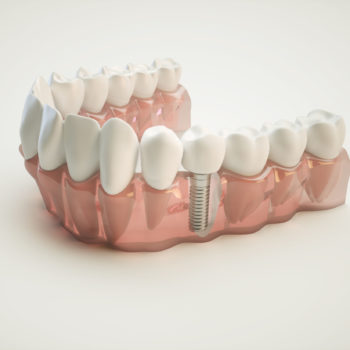
Typically, the process begins with the surgical placement of a titanium post into the jawbone, which serves as the anchor for the new tooth. After a healing period, an abutment is attached to the post, and finally, a custom-made crown is secured to the abutment, completing the restoration.
Benefits of Dental Implants Over Other Options
Dental implants offer significant advantages compared to traditional tooth replacement methods like dentures or bridges. Their ability to integrate with the jawbone provides a stable and long-lasting solution that enhances both function and aesthetics.
Unlike bridges, implants do not require altering adjacent healthy teeth for support, preserving your natural dentition. Furthermore, they stimulate the jawbone, preventing bone loss that often occurs with missing teeth, thereby maintaining facial structure and improving overall oral health.
Post-Treatment Care for Dental Implants
Proper aftercare is essential for the longevity and success of your dental implants. Following your dentist's instructions diligently will help ensure a smooth recovery and maintain the health of your implants and surrounding tissues.
This includes maintaining excellent oral hygiene through regular brushing and flossing, attending all scheduled follow-up appointments with Dr. Eggleston, and avoiding habits that could compromise the implants, such as chewing on hard objects or smoking.