Gum Disease Doesn’t Have to Stop You from Getting Dental Implants
According to the Center for Disease Control, almost half of Americans over the age…

According to the Center for Disease Control, almost half of Americans over the age…
You’ve explored all the options and you discovered that dental implants are a great way…
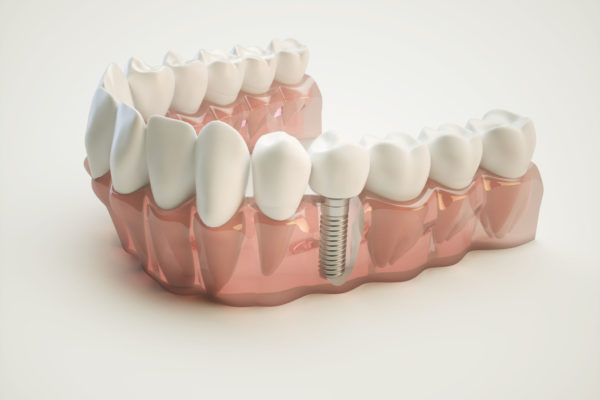
Dental implants are a revolutionary solution for replacing missing teeth, providing both functional and aesthetic benefits. They consist of titanium posts surgically placed into the jawbone, acting as artificial roots that support crowns, bridges, or dentures.
This procedure not only restores the ability to chew and speak effectively but also helps maintain jawbone integrity, preventing deterioration that often accompanies tooth loss. With advancements in technology, dental implants have become a viable option for many patients, including those with prior dental issues.
Selecting a qualified dental implant specialist is crucial for ensuring successful outcomes. Patients should look for a dentist with extensive training and experience in implantology, as well as positive patient testimonials and before-and-after case studies.
Moreover, it's beneficial to schedule a consultation to discuss specific needs and concerns. This interaction can provide insight into the dentist's approach and help establish a comfortable patient-provider relationship, which is essential for a successful treatment journey.
After receiving dental implants, proper care and maintenance are vital for long-term success. Patients are advised to follow their dentist's post-operative instructions, which typically include guidelines on oral hygiene, dietary restrictions, and follow-up appointments.
Regular dental check-ups and cleanings are essential to monitor the health of the implants and surrounding tissues. Additionally, maintaining a consistent oral hygiene routine can help prevent complications, ensuring that the implants function effectively for years to come.
There are several misconceptions surrounding dental implants that can deter potential candidates from pursuing this treatment. One common myth is that the procedure is excessively painful; however, with modern anesthesia and sedation options, most patients report minimal discomfort.
Another myth is that dental implants are only for older adults. In reality, individuals of various ages, including younger patients with missing teeth, can benefit from implants. Understanding these myths and the realities of dental implants can help patients make informed decisions about their oral health.

Dental implants are a revolutionary solution for replacing missing teeth, providing both functional and aesthetic benefits. They consist of titanium posts surgically placed into the jawbone, acting as artificial roots that support crowns, bridges, or dentures.
This procedure not only restores the ability to chew and speak effectively but also helps maintain jawbone integrity, preventing deterioration that often accompanies tooth loss. With advancements in technology, dental implants have become a viable option for many patients, including those with prior dental issues.
Selecting a qualified dental implant specialist is crucial for ensuring successful outcomes. Patients should look for a dentist with extensive training and experience in implantology, as well as positive patient testimonials and before-and-after case studies.
Moreover, it's beneficial to schedule a consultation to discuss specific needs and concerns. This interaction can provide insight into the dentist's approach and help establish a comfortable patient-provider relationship, which is essential for a successful treatment journey.
After receiving dental implants, proper care and maintenance are vital for long-term success. Patients are advised to follow their dentist's post-operative instructions, which typically include guidelines on oral hygiene, dietary restrictions, and follow-up appointments.
Regular dental check-ups and cleanings are essential to monitor the health of the implants and surrounding tissues. Additionally, maintaining a consistent oral hygiene routine can help prevent complications, ensuring that the implants function effectively for years to come.
There are several misconceptions surrounding dental implants that can deter potential candidates from pursuing this treatment. One common myth is that the procedure is excessively painful; however, with modern anesthesia and sedation options, most patients report minimal discomfort.
Another myth is that dental implants are only for older adults. In reality, individuals of various ages, including younger patients with missing teeth, can benefit from implants. Understanding these myths and the realities of dental implants can help patients make informed decisions about their oral health.